News
Ecosystems as Drivers of the Circular Economy – Value Chain Transformation Accelerated Through Collaboration
- Circular design
- Sustainable design

Miia Pöytälaakso
Communications Specialist
+358 400 613 530
miia.poytalaakso@designforum.fi
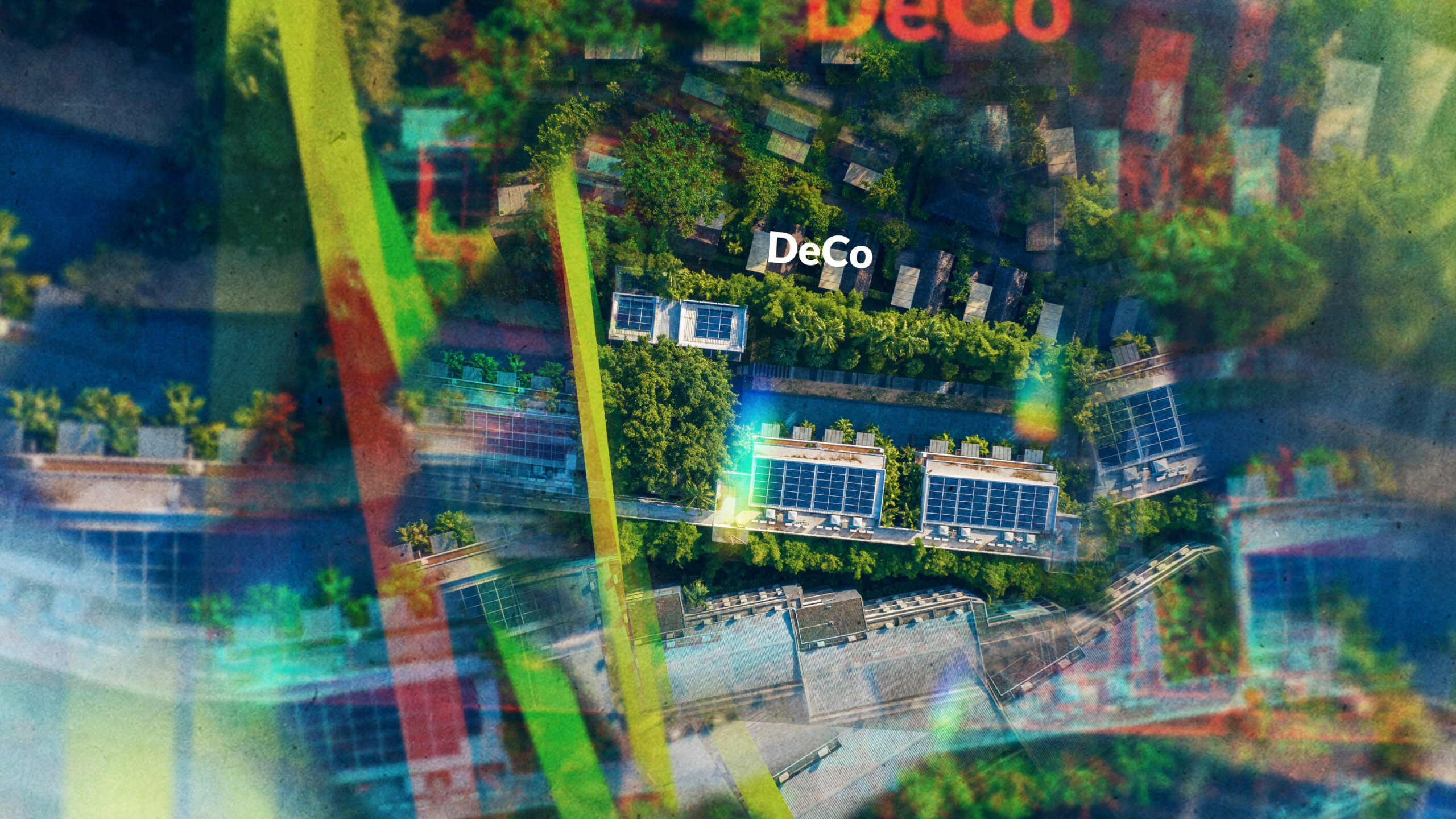
Design Forum Finland is participating in the Design Collaboration for Sustainable Business project, led by LAB University of Applied Sciences, which promotes regional and national practices for sustainable development, with a particular focus on design, production, and manufacturing in line with circular economy principles.
Design Forum Finland regularly organizes so-called roundtable discussions, bringing together project partners and stakeholders to deliberate on selected themes. At the roundtable held online at the end of September, the focus was on “Transformations within the value chain driven by the principles of the circular economy“. The expert introduction was delivered by Inka Orko, Head of Business Development at VTT, who highlighted the importance of ecosystems and the role of research and development (R&D) value chain collaboration in implementing sustainable solutions. According to Orko, close collaboration among actors across the value chain reduces uncertainty and accelerates the adoption of new solutions by integrating knowledge, operational expertise, and market perspectives. In this context, ecosystems serve as a mechanism to manage technological and commercial risks, generate synergies, and create competitive advantages for their members.
In her presentation, Orko introduced the Ministry of Economic Affairs and Employment (TEM) publication “Circular Economy Ecosystems”, which provides a comprehensive overview of the role and significance of circular economy ecosystems in promoting sustainable economic growth in Finland. The publication particularly emphasizes the importance of material loops, as they not only reduce environmental impacts but also generate significant business opportunities across various sectors.
The publication identifies three main types of circular economy ecosystems:
- Ecosystems leveraging regional strengths: These are based on local resources and specialized expertise.
- Ecosystems driven by industrial anchors: These rely on strong industrial activities and infrastructure.
- Vision-driven circular ecosystems: These are built around a shared vision for advancing the circular economy.
The report also emphasizes that circular economy-related business could potentially double by 2030. However, achieving this growth requires coordinated and aligned policy measures, including regulation, investment support, and funding for research, development, and innovation.
According to Orko, ecosystems can be classified based on their primary focus: knowledge ecosystems, innovation ecosystems, or business ecosystems. These ecosystem types differ in their objectives, the roles of participants, and their operational logic. For example, knowledge ecosystems concentrate on generating and sharing knowledge, innovation ecosystems focus on developing new innovations, and business ecosystems emphasize business growth and value capture. Interaction and collaboration between these ecosystems are essential for advancing the circular economy.
The presentation also addressed models of collaboration within ecosystem networks, including operative, tactical, and strategic collaboration, which collectively enable the development of value chains and the practical integration of circular economy principles. Operative collaboration encompasses day-to-day activities and direct partnerships, where organizations work together on concrete tasks and processes. Tactical collaboration focuses on coordinating shared goals and plans over the medium term, ensuring that different actors align their resources effectively. Strategic collaboration, in turn, involves long-term visions, investments, and shared strategic directions, providing a framework for sustainable development and the realization of innovations. Through these different levels of collaboration, ecosystems can evolve and support the transformation of value chains, ensuring that circular economy principles are embedded into practical business operations rather than remaining isolated innovations.
Following the expert presentation, the session continued with a group workshop facilitated by Matter Advisory, during which participants reflected on the insights shared and exchanged concrete examples of circular economy solutions and existing ecosystems in their regions. One illustrative regional example came from Greece, where infrastructure is often outdated. Renovation projects, however, create significant opportunities for applying circular economy principles, as outdated technologies are replaced with new, sustainable solutions. These innovations not only deliver environmental benefits but also enhance regional competitiveness and foster the development of new innovations. A concrete example from Poland focused on water recycling and increased resource efficiency: in the HoReCa sector, a system has been developed where greywater from showers is reused as flushing water in toilets.
Three key development priorities emerged from the group discussions. First, activities must be genuinely local, with companies approached and engaged at the regional level. Second, the use of design thinking methods can facilitate the adoption of innovations and circular economy solutions. Third, circular economy and ecosystem principles should be made easily accessible to businesses, for example through competitions that promote circular practices. The discussions also highlighted the need for significantly increased regional funding to enable local ecosystems to develop effectively and build sustainable business operations.
What is DeCo?
Design Collaboration for Sustainable Business – DeCo – is an Interreg Europe-funded project aimed at strengthening regional and national initiatives that develop sustainable and circular-economy-based design, production, and manufacturing. The project involves ten regional partners from seven European countries: Croatia, Spain, Greece, Poland, Belgium, the Czech Republic, and Finland. DeCo supports EU objectives to reduce emissions, increase the use of sustainable products, develop circular-economy business models, and encourage consumers to transition to greener practices. This is achieved through the exchange of practical experiences and innovative approaches, as well as by building expertise. Knowledge sharing is a central element of the project, enabling participants to learn from each other, form new partnerships, and even launch new initiatives.