News
UNESCO World Heritage Status Could Mark a New International Milestone for Finnish Design
- Architecture
- Design

Miia Pöytälaakso
Communications Specialist
+358 400 613 530
miia.poytalaakso@designforum.fi
A UNESCO World Heritage inscription would make Aalto Works the first representative of Finnish modern architecture on the World Heritage List. More than a recognition of an outstanding architectural ensemble, it would also acknowledge the international significance of Finland’s design philosophy and reinforce the country’s position as a global leader in architecture, design and cultural exports.
The UNESCO World Heritage decision due at the end of July could become one of the most significant international recognitions of Finnish architecture and design in decades. World Heritage inscription would represent far more than another addition to UNESCO’s list. If inscribed, Aalto Works would become the first site representing Finnish modern architecture on the World Heritage List, recognising Finland’s design philosophy as part of the world’s shared cultural heritage. The decision would also reinforce Finland’s position as a global leader in human-centred architecture and design.
The implications extend beyond heritage conservation. UNESCO World Heritage status has been shown to increase international visibility, tourism, research opportunities and cultural collaboration. For Finnish architecture and design, Aalto Works could open new opportunities for international dialogue at a time when sustainable building, wellbeing-oriented environments and human-centred design are becoming increasingly important worldwide.
The UNESCO World Heritage Committee will meet in Busan, South Korea, from 19 to 29 July to decide on new inscriptions to the World Heritage List. Finland’s nomination, Aalto Works, enters the final decision-making process from a strong position, having already received a recommendation for inscription from ICOMOS, the advisory body to the World Heritage Committee. The final decision, however, rests with the Committee itself.
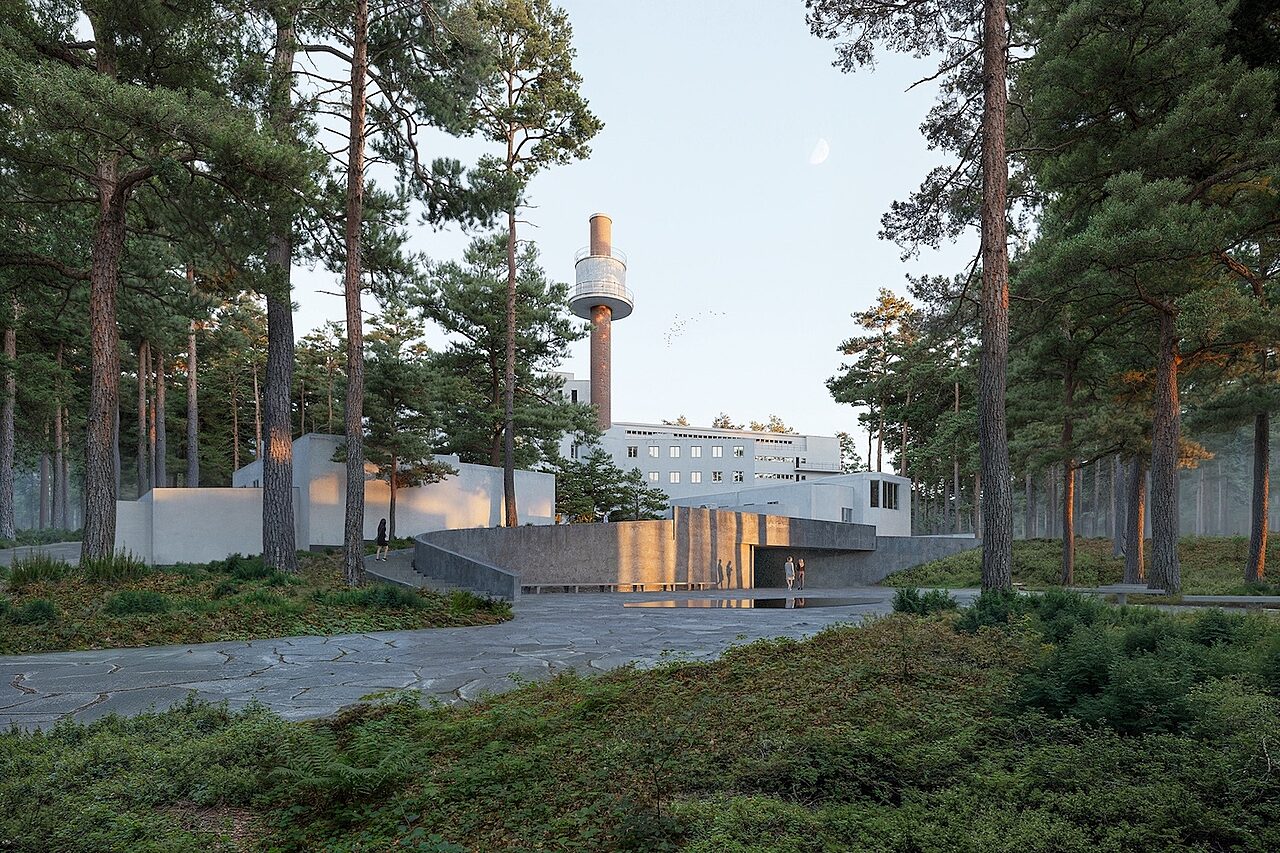
Aalto Works comprises 13 sites designed by Alvar, Aino and Elissa Aalto across Finland. They include the Paimio Sanatorium, Finlandia Hall, Säynätsalo Town Hall, the Seinäjoki Civic and Cultural Centre, the Sunila residential area and Villa Mairea. Together, the serial nomination illustrates the evolution of modern architecture and demonstrates how architecture contributed to the development of the Finnish welfare state.
The nomination is the result of decades of work. The World Heritage potential of Aalto’s architecture has been explored for many years, while the current serial nomination has been developed since 2021 under the leadership of the Finnish Heritage Agency in collaboration with the Alvar Aalto Foundation, site owners, municipalities and international experts. The nomination dossier was submitted to UNESCO in February 2025.
Only sites considered to possess outstanding universal value are inscribed on the UNESCO World Heritage List, recognising their importance to humanity’s shared cultural heritage.
Finland currently has seven UNESCO World Heritage Sites: the Old Town of Rauma, Suomenlinna Sea Fortress, Petäjävesi Old Church, the Verla Groundwood and Board Mill, the Bronze Age Burial Site of Sammallahdenmäki, the Struve Geodetic Arc and the High Coast/Kvarken Archipelago.
If Aalto Works is inscribed, it will become Finland’s eighth World Heritage Site and the first to represent modern architecture. The recognition would honour not only the work of Alvar Aalto, but also the contributions of Aino and Elissa Aalto, while highlighting the Nordic tradition of human-centred design, where aesthetics, functionality and wellbeing are inseparable.
Photo: Brick façade of Muuratsalo Experimental House, designed by Alvar Aalto.
Photo: Miia Pöytälaakso